
There is a specific region in Central Europe where history feels grander, the architecture more dramatic, and the classical arts completely tightly woven into the local culture. Often referred to by seasoned travelers as the Imperial Triangle, the route connecting Vienna, Prague, and Budapest offers the quintessential European fairytale journey.
Separated by just a few hours of beautiful countryside, these three historic capitals once formed the beating heart of empires. Today, they are seamlessly tied together by an efficient, highly accessible rail system. If you are aiming to experience the absolute zenith of European elegance, romance, and artistic heritage, this is the ultimate itinerary.
1. Vienna: The Grand Symphony of the Habsburgs
Your journey naturally begins in Vienna, Austria—the former seat of the powerful Habsburg monarchy. To walk the streets of Vienna is to experience a city completely dedicated to symmetry, classical music, and a refined, slow-paced lifestyle.
A World of Palaces and Masterpieces
Vienna’s architecture is grand on a scale that few other cities can match. The Ringstraße, a circular boulevard sweeping around the historic city center, is lined with monumental buildings, including the Vienna State places to visit in europe Opera and the Parliament.
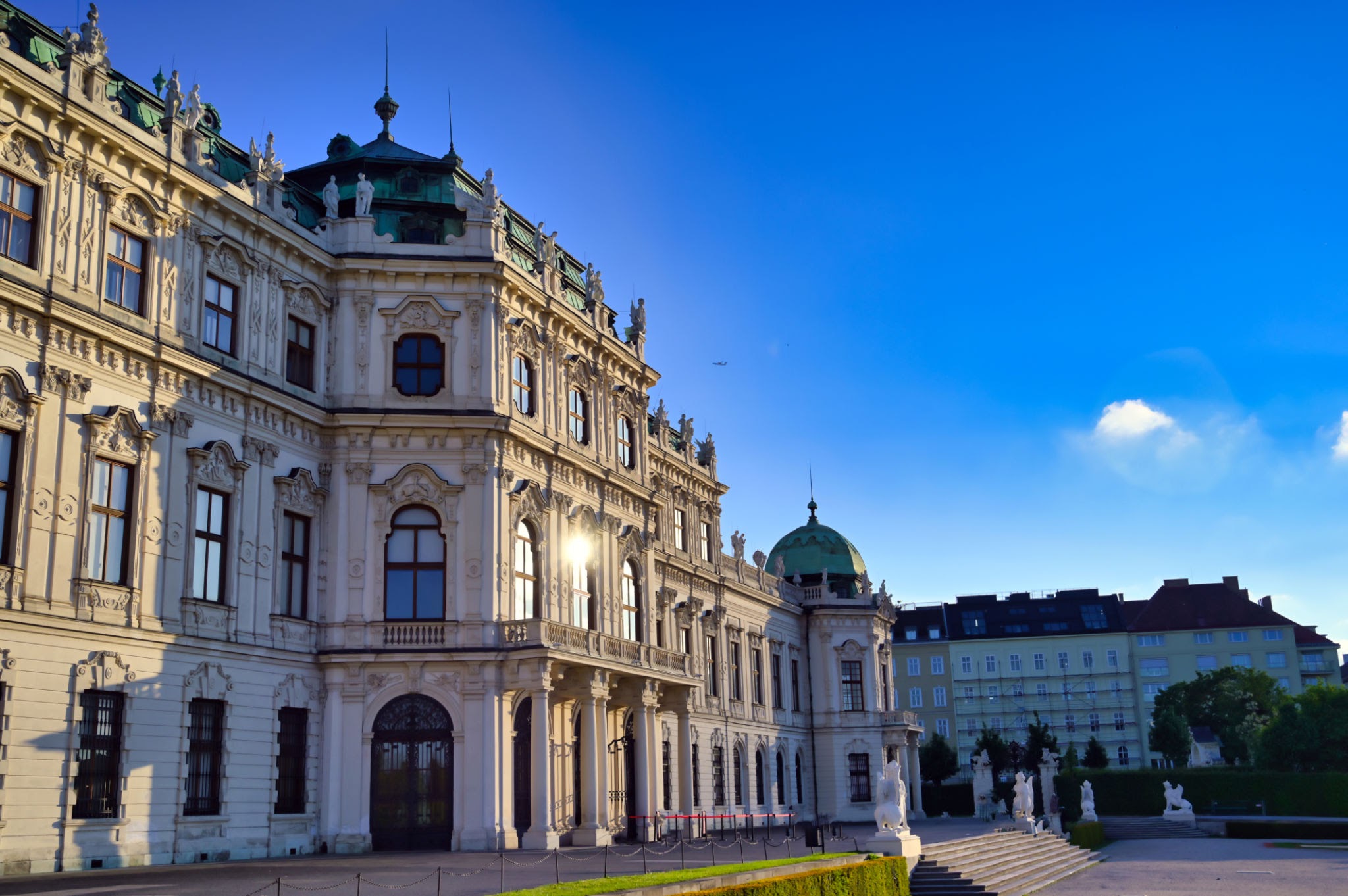
For art lovers, the Belvedere Palace is an absolute sanctuary. A stunning masterpiece of Baroque architecture, it houses an unparalleled collection of Austrian art—including Gustav Klimt’s world-famous gold-leaf masterpiece, The Kiss. After exploring the palace galleries, visitors can wander through the manicured French gardens, taking in panoramic views of Vienna’s historic spires.
The Art of the Viennese Café Culture
You cannot truly understand the lifestyle and atmosphere of Vienna without participating in its traditional café culture. Recognized formally by UNESCO as an item of “Intangible Cultural Heritage,” a Viennese coffee house is treated as an extension of the living room.
Locals and travelers alike sit for hours over a single Melange (a classic Viennese espresso topped with steamed milk and foam) and a slice of rich Sachertorte or apple strudel. It is a space designed specifically for slow contemplation, reading the morning paper, and letting the busy world drift past outside.
2. Prague: The Gothic Fairytale of Bohemia
Boarding the EuroCity train from Vienna’s Hauptbahnhof, a scenic four-hour ride north carries you across the border into the Czech Republic. Welcome to Prague, famously nicknamed the “City of a Hundred Spires.”
Crossing Into a Medieval Dream
Unlike many major European cities, Prague’s historic core emerged from the conflicts of the 20th century largely untouched. The result is a stunningly preserved labyrinth of Gothic, Renaissance, and Baroque alleyways that feel almost cinematic.
The heart of the city beats loudest at the Old Town Square. Here, crowds gather every hour on the dot to watch the intricate mechanics of the 15th-century Astronomical Clock—the oldest operating astronomical clock in the world. From the square, a short walk leads to the iconic Charles Bridge. Guarded by gothic stone towers and lined with statues of saints, crossing this bridge over the Vltava River at dawn or twilight is a deeply moving travel experience.
Bohemian Hospitality and River Vistas
Prague’s atmosphere is a delightful blend of dark romanticism and lively bohemian energy. It is a city that moves to its own rhythm, where underground jazz clubs inhabit ancient cellars, and local pubs serve up world-renowned pilsner beers that are cheaper than water. It provides an earthy, vibrant contrast to the strict elegance of Vienna.
3. Budapest: The Thermal Pearl of the Danube
The final leg of the Imperial Triangle takes you south along the Danube River to Budapest, Hungary. Often described as the “Paris of the East,” Budapest is a city split cleanly in two by the massive river: historic, hilly Buda on the west bank, and flat, bustling Pest on the east.
Architectural Drama on the Water
Budapest is at its most spectacular when viewed from the water, particularly after darkness falls and the entire city lights up in brilliant shades of amber and gold.
The undisputed crown jewel of the waterfront is the Hungarian Parliament Building. This colossal neo-Gothic structure features hundreds of spires and arches reflecting beautifully onto the dark waters of the Danube. To experience the contrast between the two sides of the city, travelers can cross the historic Chain Bridge from Pest and ride the funicular up to Castle Hill in Buda, where the Fisherman’s Bastion offers unmatched panoramic views.
Healing Waters and Ruin Bars
Budapest’s unique lifestyle relies on two iconic elements: its rich thermal bath culture and its quirky nightlife.
- The Thermal Baths: Built directly over a massive network of natural hot springs, Budapest features stunning historic bathhouses like Széchenyi and Gellért. Soaking in these mineral-rich outdoor thermal pools is a cornerstone of Hungarian wellness and daily socialization.
- The Ruin Bars: In stark contrast to the historic baths, Budapest’s nightlife thrives inside abandoned pre-war buildings in the Old Jewish Quarter. Transformed creatively into “Ruin Bars” filled with eclectic vintage furniture, neon art installations, and open-air courtyards, these spaces represent the pinnacle of modern European urban creativity.
4. Seamless Planning: Connecting the Triangle
Executing this iconic itinerary is incredibly straightforward. Because Central Europe relies on a highly integrated rail network, you can completely skip the stress of regional airports, baggage lines, and car rentals.
Train Logistics at a Glance
| Route | Average Duration | Train Service | What to Look For |
| Vienna to Prague | ~4 hours | ÖBB Railjet / RegioJet | Beautiful rolling hills of the Austrian and Czech countryside. |
| Prague to Budapest | ~6.5 hours | EuroCity (EC) | Winding routes tracking closely along the scenic Danube River bend. |
| Budapest to Vienna | ~2.5 hours | ÖBB Railjet | High-speed, smooth transit to quickly close your travel loop. |
Best of Europe Travel Tips:
- Book Your Train Seats Early: While train tickets can be flexible, reserving a specific window seat in advance is highly recommended during the peak summer and winter market seasons.
- Currency Check: Remember that while Austria uses the Euro (€), the Czech Republic uses the Czech Koruna (Kč), and Hungary uses the Hungarian Forint (Huf). Card payments are accepted almost everywhere, but keeping a tiny amount of local cash handy for small market stalls is always smart.
Discover Your Own Imperial Story
Whether you are sipping a Melange in a quiet Vienna café, listening to buskers play violin on Prague’s Charles Bridge, or relaxing in the steaming outdoor pools of Budapest, the Imperial Triangle represents the absolute best of Europe. It is a journey where history isn’t tucked away in textbooks—it surrounds you at every single turn.
Explore Best of Europe today for comprehensive city guides, local dining recommendations, and insider strategies to help you plan the ultimate Central European train adventure.
Leave a Reply